This chapter was pretty good. It had a bit of everything here so if you like violence it's got it here. Love description? Look no further. How bout some hot steamy cup of pedophilia? Chapter 14 delivers. Before I start, I just want to point out that this chapter has a lot of similes. I counted at least seven in the first two pages, and there are even more throughout. I know there's been quite a few similes and metaphors in the past thirteen chapters, but for some reason I noticed these similes more frequently. It almost seemed as though McCarthy was just seeing how many of these things he can fit in 20 pages. Just thought I'd share, and yes this is pretty much just saying.
The chapter starts with an amazing description of the scenery before anything interesting happens. A good simile showing this is at the beginning on page 186, "the rain had dragged black tendrils down from the thunderclouds like tracings of lampblack fallen in a beaker." This is a pretty cool line about something simple as a thunderstorm. lamp black is a powdered soot from the combustion of carbonaceous materials. A picture of the fine powder can be found here.
A line I don't understand on this part is at the very end of 186, " the riders slumped forward and rightly skeptic of the shimmering cities on the distant shore of that sea whereon they trod miraculous." I understand the skeptic part, that the cities aren't that shimmering or whatever, but what's McCarthy talking about with the trod miraculous part?
When the company went to the bodega and saw the fiddler, it was interesting that when the judge payed him, he looked at it like it wasn't enough. That was one picky guy. It was cool that they both started dancing when he played though.
I thought the line on page 190 was interesting, "ringing the churchbells with pistolballs in a godless charivari." A charivari is a custom of a community to show their disapproval of marriages, wife beaters, unmarried mothers, and the like. This could mean that these people would use force to show their disapproval. The priest in this section seemed really corrupt. I thought so with the line, "when he rose he disdained to take up the coins until some small boys ran out to gather them and then he ordered them brought to him." I get that he tells the boys to get him the coins, pretty selfish.
I dont understand the quote on page 190, "Stood dark and smoking and apocalyptic in the dim lampfall." McCarthy is talking about the Amercians, but how do they look apocalyptic?
The part with Judge and the kids was just to obvious not to see coming. It seems every chapter has some sort of judge and child action, and at least nothing happened to this kid. Does anyone else think the judge is like a younger, more violent type of the old man Herbert off Family Guy? I mean give the judge a good 40 years and he'll be exactly the same. The line on page 191, "He'd fill his pockets with little candy deathsheads and he sat by the door and offered these to children passing on the walk under the eaves." If that's not the most cliched pedophile move ever, the judge busts out the coin behind the ear trick to the kid selling puppies. God, you can't get much plainer than that without simply stating it.
The puppy scene was not very violent. definitely had nothing on the baby smashing scene. All that happened was they went in the water and got shot, and McCarthy didn't even describe the corpses. I suppose McCarthy is a cat person.
Once again, Glanton goes crazy. He seems to be doing that more and more often. The funny thing is that he had to be strapped down. It's weird that the company's leader is going just blatantly insane. I think this is even further foreshadowing of Glanton's ultimate demise.
I have a question on page 193. When Glanton and everyone one are shooting / getting shot, who are they shooting with? I think it is just the Mexican citizens of the town, but I'm not sure. Also why exactly are they shooting them? Did they know of Chihuahua City's bounty on Glanton this fast? I mean there was no telephones back in the day, and I'm not sure if the telegraph was invented yet.
Monday, April 26, 2010


http://www.hulu.com/watch/143264/saturday-night-live-shake-weight-dvd
The title says it all. This was a great chapter. Fun for the whole family.
I don't think we've discussed this yet, but the chapters usually start off with a two or more page description of the scene and more often than not these scenes involve lightning outlining mountains. It's getting kind of stale to me, but whatever. I mean, they've been in the same situation for a long time, is it really necessary to keep saying it? It's necessary to describe the scene when the setting changes, for instance the jungle in the latter part of the chapter, but to reiterate the desert theme over and over is a bit tiresome.
More tastes of the judge's now blatant pedophilia. He's offering candy (candy deathsheads to be specific. Death's heads brings up several things on wikipedia, but the most reasonable is a cockroach. A candy cockroach. Makes sense. Kind of.) to the children while he sits in the shade. But don't stop there. Do some magic tricks (trix) first. Silly judge, trix are for pedophiles. Wait... never mind.
I've noticed in a lot of similes the author-man often compares animals with animals. Some examples: The pack mules-enormous rats; pulque filled hogskins-bloated swine (which is the same animal); wounded dogs-seals. I thought I had more examples but you get my point. So what's he trying to say? All animals are the same? Hmmmm maybe... No, probably not. Sometimes a simile is just a simile.
And more on the judge, sans the topic of raping boys. "Whatever exists in creation without my knowledge exists without my consent." He plans to rule over all things of this earth, because he will know all things of this earth. He would like to abolish autonomy and be supreme ruler over all things no matter how small. So is the judge the devil? I think the judge thinks he is the devil. The judge has a plan, and he may have everything figured out, but Toadvine is right in saying "No man can acquaint himself with everything on this earth." But hey, if the judge is the devil, he would be immortal, walking the earth for eternity, but is eternity enough time to acquaint oneself with every single organism and microorganism that lives within the earth? Eternity is a long time and if the judge is the devil eternity will last as long as it needs to for him to complete his mission. When that's over, who knows. But, oh well.
Then the Judge and Glanton in their suits. The judge sports a white suit while Glanton chooses the much more fashionable black. What does this all mean? Since when does the devil wear white? But black would've been too obvious. He should've just gone naked and psyched everyone out.
The packmules were carrying quicksilver, which is a cool name for mercury. Apparently it's used in mining gold. I don't understand it; I'm only a mining level 68. But here's a length for the more apt: http://www.sbtrails.org/Interpretive/NaturalHistory/quicksilver.php
This slightly mentally retarded computer may not post the links right. If that happens... whatever. More copy and paste. I don't know.
THE MERPS!
Chapter onethree; long chapter nothing in it to write home about but fairly eventful.
One thing I don't get, well 2, first of all what in the wide world of sports is wrong with the governer?! "... [Trias] was much like the sorcerer's apprentice who could indeed provoke the imp to do his will but could in no way make him cease again." He lets the company completely trash the town like an 80's rock group would a hotel room. I understand they're killing indians but there are limits to even the worst of people; or there should be. And the other thing I don't understand is the number of scapls they have. 1,000 + a lot more they killed = 128 + 8 heads? Math was never my subject but this just can't be right. The whole purpose of this is for the money, or did they run out of room to carry the scapls as they traveled, i dunno.
"The Scalphunters stood grinning at the dames, churishlooking in their shrunken clothes, sucking their teeth, armed with knives and pistols and mad about the eyes." Imagine about 20 men, many with pieces missing here and there from different extremities, scars a galore, tattoos, brandings, faces of a mad men, and large (muscular/bulky?). There is nothing to fear but the freaks themselves.
One part I just loved about the first night they ripped the town to pieces is Jackson's drunken quest 171 "Jackson, pistols drawn, lurched into the street vowing to Shoot the ass off Jesus Christ, the longlegged white son of a bitch". I laughed at the thought of a black man wanting to kill Jesus.
Before the company gets so far in the dinner meal they are toasting left and right which turns "into obscene pledges to the whores of various southern cities." These men just get better and better (no sarcasm).
pg 172 "what had been and what would never be alike" uhh..what?
Gondwanaland(172) - 200 million years ago it was the name of southern precursor supercontinent.
Harpie(Harpy) Eagles(175) - nontropical eagle.
pg 179 "the judge was like a cat" So he's a demon with cat like qualities, it is all coming together now. This excerpt is describing how he was when he was stabbing folk trying to run for the door. Nothing new happens to/with Judge, nor kid.. and that makes reading super annoying.
pg 176 - Toadvine has some sort of encounter and they get stuck for 2 days, what happened exactly?
aloft putrescent ennui retinue sutured
One thing I don't get, well 2, first of all what in the wide world of sports is wrong with the governer?! "... [Trias] was much like the sorcerer's apprentice who could indeed provoke the imp to do his will but could in no way make him cease again." He lets the company completely trash the town like an 80's rock group would a hotel room. I understand they're killing indians but there are limits to even the worst of people; or there should be. And the other thing I don't understand is the number of scapls they have. 1,000 + a lot more they killed = 128 + 8 heads? Math was never my subject but this just can't be right. The whole purpose of this is for the money, or did they run out of room to carry the scapls as they traveled, i dunno.
"The Scalphunters stood grinning at the dames, churishlooking in their shrunken clothes, sucking their teeth, armed with knives and pistols and mad about the eyes." Imagine about 20 men, many with pieces missing here and there from different extremities, scars a galore, tattoos, brandings, faces of a mad men, and large (muscular/bulky?). There is nothing to fear but the freaks themselves.
One part I just loved about the first night they ripped the town to pieces is Jackson's drunken quest 171 "Jackson, pistols drawn, lurched into the street vowing to Shoot the ass off Jesus Christ, the longlegged white son of a bitch". I laughed at the thought of a black man wanting to kill Jesus.
Before the company gets so far in the dinner meal they are toasting left and right which turns "into obscene pledges to the whores of various southern cities." These men just get better and better (no sarcasm).
pg 172 "what had been and what would never be alike" uhh..what?
Gondwanaland(172) - 200 million years ago it was the name of southern precursor supercontinent.

Harpie(Harpy) Eagles(175) - nontropical eagle.
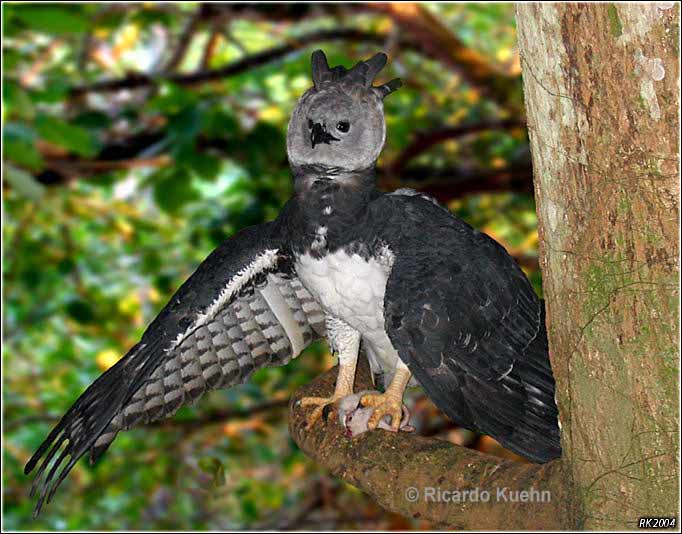
pg 179 "the judge was like a cat" So he's a demon with cat like qualities, it is all coming together now. This excerpt is describing how he was when he was stabbing folk trying to run for the door. Nothing new happens to/with Judge, nor kid.. and that makes reading super annoying.
pg 176 - Toadvine has some sort of encounter and they get stuck for 2 days, what happened exactly?
aloft putrescent ennui retinue sutured
Big chapter. So much happens that I'm surprised it wasn't broken into two chapters (which would have made me very happy).
The men only have one hundred and twenty-eight scalps and eight heads. How do they only have that many? They slaughtered the village of 1,000+ apaches and killed several more here and there. Were they just too lazy to get the extra scalps? I'm sure all the dead folk had scalps. What's going on? The group really seemed like the go-get-'em type. They could of had ten times the money. I don't get it.
The governor-fellow let's the men go insane the night of their return. In effect, the men go crazy every night. "He was much like the sorcerer's apprentice who could indeed provoke the imp to do his will but could in no way make him cease again." I guess before "Fantasia," this was an old folk tale or something of the like. But it's great either way because all I could see was a young Mickey Mouse panicking while hundreds of mops (or brooms, whatever) have their way with him. And the men are as crazy (maybe not so much crazy as they like to have fun) as those mops. They get the one chance to do whatever and they take that invitation to mean "go insane every night." By the end of their rampage, everyone hates them.
The guys were spending a night at Hueco tanks, and they find a load of ancient paintings (hieroglyphs to the pedants). I don't get why the Judge destroys one of the designs. I know he said he wanted to "expunge [his sketches] from the memory of man," but these aren't his sketches. From what we've seen of the judge, he seems like the kind of guy who would respect ancient drawings and similar artifacts. Maybe that was a design he couldn't trace and he got pissed at it. I don't know. The judge is crazy.
I didn't at all understand this big-fella simile: "Like beings provoked out of the absolute rock and set nameless and at no remove from their own loomings to wander ravenous and doomed and mute as gorgons shambling the brutal wastes of Gondwanaland in a time before nomenclature was and each was all," (McCarthy 172). It's big and has lots of faincy words. But what do they all mean?
Throughout the rest of the chapter, the scalphunters become riders of the apocalypse. When they appear, you're dead. I think the most disturbing part of the chapter was their first slaughter, when they killed the village and the women returned to everyone scalped and dead. That's among the most frightening of things that could happen to anyone. Go get groceries, come home and your son and husband are dead with bugs crawling on their bare scalps. Now who's going to eat all soup, because you're definitely not. You don't even like cream of whatever; you got it just for your husband and son, but they're to busy being killed by wanton Americans to eat it. Talk about an awful, awful day. It would do everyone well to remember this next time they have a bad day at the office. Just ask, "Is it as bad as my family being killed and scalped while I wasn't here?" If the answer is "no," then man up.
They kill again and the dead are described as "victims of surgical experimentation." I take this as an allusion to Dr. Mengele, a name which I directly connect with any surgical experimentation. And it's a really effective simile in that the things Mengele did were just so grotesque, it's almost disturbing to hear the name (Mengele is a disgusting name). I would put some links up for pictures, but anyone who wants to can do it on their own time. It's really awful (cough*no testicles*cough).
And lastly, Glanton is now the enemy. Once the hunter, now the hunted (I heard that on a Cheetos commercial). So now he's wanted in both Mexico and America. That's what you get when you're as mad as he is. Then the chapter ends with another title-sort-of-thing. "Rode infatuate and half fond toward the red demise of that day, toward the evening lands and the distant pandemonium of the sun." Ya-ay.
April 26, 2010 Blog Chapter 13
The judge's power and respect is emphasized before the banquet when the governor actually stands up just to shake the judge's hand. Also, judge had a suit made for him in just a few hours from entire bolts of cloth and a hat that was made from two hats so carefully put together that one could not tell.
After the "celebration," McCarthy describes the governor's power over the banditos as "like the sorcerer's apprentice who could indeed provoke the imp to do his will but could in no way make him cease again." If the governor is the apprentice, who is the master? I think it's the judge, in all his superior intellect. Quite a change had taken place in just three days: "when they rode out three days later the streets stood empty, not even a dog followed them to the gates."
Glanton's moments on the border. I haven't seen many westerns, but this sounds like a clique type of scene. What most caught my attention in this section was how McCarthy described him. "His shadow grew long before him ...He would not follow."
McCarthy's diction in telling what the Americans did changes on pg. 173: "In three days they would fall upon a band of peaceful Tiguas camped on the river and slaughter them all every soul." He says it in future tense, which is an interesting change. Besides catching me off guard, it gives me a more clear sense of passing time. After the "slaughter," McCarthy says "The desert wind would salt their ruins and there would be nothing, nor ghost nor scribe, to tell to any pilgrim in his passing how it was that people had lived in this place and in this place died." Another example of McCarthy's theme of "if there is no evidence, it never happened."
The last sentence, the sentence to which the alternative title comes from I think, "...toward the red demise of that day, toward the evening lands and the distant pandemonium of the sun." This also foreshadows what will happen in the future, "pandemonium" in the "evening lands."
About what Patrick said about judge: he never shows his strength before this chapter. That's true, I think. Where was he during the battles and fights? Another thing I found about the judge, on page 176 (seems to be a very eventful page) it says "Sparks from the fire ran down the wind" This was said as the judge was crossing before the men gathered. It's kind of eerie that the fire would change just as he was passing by. A candle I can understand being affected, but a campfire big enough for several men? hmm.... Maybe another demonic or satanic reference? perhaps? idk...
After the "celebration," McCarthy describes the governor's power over the banditos as "like the sorcerer's apprentice who could indeed provoke the imp to do his will but could in no way make him cease again." If the governor is the apprentice, who is the master? I think it's the judge, in all his superior intellect. Quite a change had taken place in just three days: "when they rode out three days later the streets stood empty, not even a dog followed them to the gates."
Glanton's moments on the border. I haven't seen many westerns, but this sounds like a clique type of scene. What most caught my attention in this section was how McCarthy described him. "His shadow grew long before him ...He would not follow."
McCarthy's diction in telling what the Americans did changes on pg. 173: "In three days they would fall upon a band of peaceful Tiguas camped on the river and slaughter them all every soul." He says it in future tense, which is an interesting change. Besides catching me off guard, it gives me a more clear sense of passing time. After the "slaughter," McCarthy says "The desert wind would salt their ruins and there would be nothing, nor ghost nor scribe, to tell to any pilgrim in his passing how it was that people had lived in this place and in this place died." Another example of McCarthy's theme of "if there is no evidence, it never happened."
The last sentence, the sentence to which the alternative title comes from I think, "...toward the red demise of that day, toward the evening lands and the distant pandemonium of the sun." This also foreshadows what will happen in the future, "pandemonium" in the "evening lands."
About what Patrick said about judge: he never shows his strength before this chapter. That's true, I think. Where was he during the battles and fights? Another thing I found about the judge, on page 176 (seems to be a very eventful page) it says "Sparks from the fire ran down the wind" This was said as the judge was crossing before the men gathered. It's kind of eerie that the fire would change just as he was passing by. A candle I can understand being affected, but a campfire big enough for several men? hmm.... Maybe another demonic or satanic reference? perhaps? idk...
Sunday, April 25, 2010
Chapter 13
This chapter was pretty good. McCarthy once again did a great job at description.
I thought it interesting that the people of Chihuahua revered the company when they came back, throwing parties and dinners for them. Then the company went ahead and stayed there for weeks until the town almost dried up and left. A quote on page 172 best shows this, "When they rode out three days later the streets stood empty, not even a dog followed them to the gates." Reading this part brought me back to the simile back a few chapters about the traders who go from town to town looking for gold like a disease. This simile suits the company perfectly here.
I liked how the traders just gave the gear to the company on credit, knowing they received tons of cash. I know these people view the company as heroes, but seriously? The Toledo swords that were talked about seemed pretty cool. From what I looked up, Toledo swords were just swords made in the city of Toledo, Spain. Toledo was a great producer of swords from the 15th to the 18th century, so the sword would probably be a saber or a rapier.
I thought the quote on page 172 was interesting, "four hundred miles to the east where the wife and child that he would not see again." This is major foreshadowing about Glanton, and I don't know about anyone else, but it seems obvious. Especially since at the end of the chapter there was a price of 8,000 pesos on Glanton's head when they left Chihuahua. By the way, 8,000 pesos doesn't seem alot. I know it probably seems that way during this time, but now it probably wouldn't even buy someone a loaf of bread.
When the company attacked the peaceful Tiguas, I thought it was interesting that Toadvine wasn't thrilled about it. It spoke to this character when he said that they weren't bothering anybody. When McCarthy mentioned the golden teeth hanging by his chest, was he referring to the teeth that was in that prison guard a few chapters back? When I read that, I instantly thought that. I don't know if it said he got them at that chapter, I just knew he was talking about it. After the massacre, this simile on page 174 was interesting to me, "the dead lay with their peeled skulls like polyps bluely wet." I looked up polyp to be sure what it was, because in Bio it was a type of invertebrate, but when I looked it up it also said it was an abnormal growth of tissue. I assume its used as the invertebrate in this sense. Here's a picture of what these polyps look like.
I thought the fight in the bar during the funeral procession was pretty epic. The funny thing about it was, that the company didn't actually start it. And to think, 36 Mexicans could have avoided their fate if that one guy didn't stab Grimley. It was pretty epic that Judge's only reaction to seeing him knifed was to just point the gun at the guy's face and fire, seemingly in one motion. I thought it was funny when after the company killed everyone, they just "looked at each other and at the bodies in a sort of wonder" (page 180). It made me think of when you break a window with a baseball or use the blender and make a mess, all you'd do is just look at each other until someone does something. It brought up that childish feel again, but this time towards the whole company, and Glanton was the adult giving instructions. I didn't understand the quote on 180, "Hair, boys, he said. The string aint run on this trade yet." Is Glanton saying that there's more fighting to be going on? Or is he saying that if they don't move they will get arrested or killed?
After this they went and massacred random settlements of Mexicans. It seemed that here, Glanton went a little crazy, just killing them as soon as he sees them. I just thought that here's a guy that's supposed to be all calm and collected, and he's just freaking out and killing anything that moves.
What I thought was really interesting was when the Mexican soldiers with lances came about the company and they had a fight that when described, reminded me of a rumble of Greasers and Socs, but toned way way up. I liked the line on page 182, "Glanton shot him through the head and shoved him from his horse with his foot and shot down in succession three men behind him." When I read this, it seemed that Glanton did all this in one motion. Classic western move.
A few lines I didn't understand:
page 184, "the naked bodies with their wounds like the victims of surgical experimentation." I can't help to say this, but this makes me think McCarthy is comparing these indians to the holocaust victims of Mengele. Especially when they just dug a pit and thew these bodies in, makes it seem like a Mengele thing to do. If that's the case, are these Americans portrayed as being Nazi-like to the indians? They're basically exterminating them. Or am I thinking about this too much?
Page 173, "as if such destinies were prefigured in the very rock for those with eyes to read."
I thought it interesting that the people of Chihuahua revered the company when they came back, throwing parties and dinners for them. Then the company went ahead and stayed there for weeks until the town almost dried up and left. A quote on page 172 best shows this, "When they rode out three days later the streets stood empty, not even a dog followed them to the gates." Reading this part brought me back to the simile back a few chapters about the traders who go from town to town looking for gold like a disease. This simile suits the company perfectly here.
I liked how the traders just gave the gear to the company on credit, knowing they received tons of cash. I know these people view the company as heroes, but seriously? The Toledo swords that were talked about seemed pretty cool. From what I looked up, Toledo swords were just swords made in the city of Toledo, Spain. Toledo was a great producer of swords from the 15th to the 18th century, so the sword would probably be a saber or a rapier.
I thought the quote on page 172 was interesting, "four hundred miles to the east where the wife and child that he would not see again." This is major foreshadowing about Glanton, and I don't know about anyone else, but it seems obvious. Especially since at the end of the chapter there was a price of 8,000 pesos on Glanton's head when they left Chihuahua. By the way, 8,000 pesos doesn't seem alot. I know it probably seems that way during this time, but now it probably wouldn't even buy someone a loaf of bread.
When the company attacked the peaceful Tiguas, I thought it was interesting that Toadvine wasn't thrilled about it. It spoke to this character when he said that they weren't bothering anybody. When McCarthy mentioned the golden teeth hanging by his chest, was he referring to the teeth that was in that prison guard a few chapters back? When I read that, I instantly thought that. I don't know if it said he got them at that chapter, I just knew he was talking about it. After the massacre, this simile on page 174 was interesting to me, "the dead lay with their peeled skulls like polyps bluely wet." I looked up polyp to be sure what it was, because in Bio it was a type of invertebrate, but when I looked it up it also said it was an abnormal growth of tissue. I assume its used as the invertebrate in this sense. Here's a picture of what these polyps look like.

I thought the fight in the bar during the funeral procession was pretty epic. The funny thing about it was, that the company didn't actually start it. And to think, 36 Mexicans could have avoided their fate if that one guy didn't stab Grimley. It was pretty epic that Judge's only reaction to seeing him knifed was to just point the gun at the guy's face and fire, seemingly in one motion. I thought it was funny when after the company killed everyone, they just "looked at each other and at the bodies in a sort of wonder" (page 180). It made me think of when you break a window with a baseball or use the blender and make a mess, all you'd do is just look at each other until someone does something. It brought up that childish feel again, but this time towards the whole company, and Glanton was the adult giving instructions. I didn't understand the quote on 180, "Hair, boys, he said. The string aint run on this trade yet." Is Glanton saying that there's more fighting to be going on? Or is he saying that if they don't move they will get arrested or killed?
After this they went and massacred random settlements of Mexicans. It seemed that here, Glanton went a little crazy, just killing them as soon as he sees them. I just thought that here's a guy that's supposed to be all calm and collected, and he's just freaking out and killing anything that moves.
What I thought was really interesting was when the Mexican soldiers with lances came about the company and they had a fight that when described, reminded me of a rumble of Greasers and Socs, but toned way way up. I liked the line on page 182, "Glanton shot him through the head and shoved him from his horse with his foot and shot down in succession three men behind him." When I read this, it seemed that Glanton did all this in one motion. Classic western move.
A few lines I didn't understand:
page 184, "the naked bodies with their wounds like the victims of surgical experimentation." I can't help to say this, but this makes me think McCarthy is comparing these indians to the holocaust victims of Mengele. Especially when they just dug a pit and thew these bodies in, makes it seem like a Mengele thing to do. If that's the case, are these Americans portrayed as being Nazi-like to the indians? They're basically exterminating them. Or am I thinking about this too much?
Page 173, "as if such destinies were prefigured in the very rock for those with eyes to read."
Blood Meridian Chapter 13
This chapter showed a change in tempo in the story. The posse is now called the "Americans" and they kill Mexican citizens instead of Apaches. Sure they always killed the citizens, it's just that there is more emphasis on the civilians in this chapter. I guess you could say that McCarthy describes the citizens more in this chapter instead of in the others.
The beginning of this chapter was very ironic. The Americans get a huge parade/festival/dinner/ball for killing the exact opposite thing the governor wants them too. In reality, they are no better than the Apaches. Throughout the entire book, they have been running from the Apaches instead of fighting them, something that will surely come back to haunt them. McCarthy has the Americans kill the citizens to show how clever Glanton and the Judge are by having them find alternate ways to get scalps. On page 168, McCarthy says, "...the scalps were being strung about the iron fretwork of the gazebo like decorations for some barbaric celebration. Besides being a very descriptive simile, this sentence also adds to the irony. McCarthy probably added this ironic segment to show how scarce information was back in the 1800's and how out of sync the citizens were with the governing cities. Also, it's pretty ironic that the Judge is wearing kid boots, but only if the kid part is a reference to a child, not a goat (page 169).
The dinner scene is great. Were the Mexicans really not expecting a group of loud, rowdy, nasty, and dangerous mercenaries to get out of hand, especially when alcohol is involved? Also, it was pretty funny how they ate every bit of food in the entire city.
It's cool how McCarthy writes about Glanton's wife and child. He shows a softer and weaker side of Glanton while he is in the desert. McCarthy does this to show how the toughest and most ruthless (roofless for Alex) character has a nice and simple side. I'm not sure but maybe this is how McCarthy feels. Maybe he feels bad and lonely whenever he doesn't see his family (wife and child). For more info about McCarthy click here http://en.wikipedia.org/wiki/Cormac_McCarthy
The massacre of the Tiguas is much shorter and less descriptive. McCarthy makes this massacre shorter to show how killing a mass amount of people for their scalps is getting pretty normal and regular. He is trying to show how the act of hunting people is getting to be more like a business. In this chapter, there is two massacres. The one in the Mexican town during the funeral is a little more interesting because they fight back with knives and guns. However the outcome is still the same; the Americans get all the scalps they can hold and wipe out an entire colony of people in less than 2 hours. For information on scalping click here http://en.wikipedia.org/wiki/Scalping#North_America
Just because the Judge is awesome I will include this long quote...
"But the Judge was like a cat and he sidestepped the man and seized his arm and broke it and picked the man up by his head. He put him against the wall and smiled at him but the man had begun to bleed from the ears and the blood was running down between the judge's fingers and over his hands and when the judge turned him loose there was something wrong with his head and he slid to the floor and did not get up." Up until this point, we had never seen the Judge's strength in use. People had spoken about it in the book before, however this is the first time we see it for real. This really adds to the Judge's character as the strong, silent intellectual.
One simile that really didn't work was on page 184. McCarthy writes, "They were shambling along the road like dumb things." Wow McCarthy, really descriptive. This is the one and only time McCarthy failed to impress with his writing skills. He could have at least said like dumb animals but nope, he chose to go with "things."
For some research...
Ures is a city in Mexico that has financial relationships with Sonora.
http://en.wikipedia.org/wiki/Ures
8000 pesos is the equivalent of $657.18. Remember this is the price on Glanton's head.
http://www.oanda.com/currency/converter/
The beginning of this chapter was very ironic. The Americans get a huge parade/festival/dinner/ball for killing the exact opposite thing the governor wants them too. In reality, they are no better than the Apaches. Throughout the entire book, they have been running from the Apaches instead of fighting them, something that will surely come back to haunt them. McCarthy has the Americans kill the citizens to show how clever Glanton and the Judge are by having them find alternate ways to get scalps. On page 168, McCarthy says, "...the scalps were being strung about the iron fretwork of the gazebo like decorations for some barbaric celebration. Besides being a very descriptive simile, this sentence also adds to the irony. McCarthy probably added this ironic segment to show how scarce information was back in the 1800's and how out of sync the citizens were with the governing cities. Also, it's pretty ironic that the Judge is wearing kid boots, but only if the kid part is a reference to a child, not a goat (page 169).
The dinner scene is great. Were the Mexicans really not expecting a group of loud, rowdy, nasty, and dangerous mercenaries to get out of hand, especially when alcohol is involved? Also, it was pretty funny how they ate every bit of food in the entire city.
It's cool how McCarthy writes about Glanton's wife and child. He shows a softer and weaker side of Glanton while he is in the desert. McCarthy does this to show how the toughest and most ruthless (roofless for Alex) character has a nice and simple side. I'm not sure but maybe this is how McCarthy feels. Maybe he feels bad and lonely whenever he doesn't see his family (wife and child). For more info about McCarthy click here http://en.wikipedia.org/wiki/Cormac_McCarthy
The massacre of the Tiguas is much shorter and less descriptive. McCarthy makes this massacre shorter to show how killing a mass amount of people for their scalps is getting pretty normal and regular. He is trying to show how the act of hunting people is getting to be more like a business. In this chapter, there is two massacres. The one in the Mexican town during the funeral is a little more interesting because they fight back with knives and guns. However the outcome is still the same; the Americans get all the scalps they can hold and wipe out an entire colony of people in less than 2 hours. For information on scalping click here http://en.wikipedia.org/wiki/Scalping#North_America
Just because the Judge is awesome I will include this long quote...
"But the Judge was like a cat and he sidestepped the man and seized his arm and broke it and picked the man up by his head. He put him against the wall and smiled at him but the man had begun to bleed from the ears and the blood was running down between the judge's fingers and over his hands and when the judge turned him loose there was something wrong with his head and he slid to the floor and did not get up." Up until this point, we had never seen the Judge's strength in use. People had spoken about it in the book before, however this is the first time we see it for real. This really adds to the Judge's character as the strong, silent intellectual.
One simile that really didn't work was on page 184. McCarthy writes, "They were shambling along the road like dumb things." Wow McCarthy, really descriptive. This is the one and only time McCarthy failed to impress with his writing skills. He could have at least said like dumb animals but nope, he chose to go with "things."
For some research...
Ures is a city in Mexico that has financial relationships with Sonora.
http://en.wikipedia.org/wiki/Ures
8000 pesos is the equivalent of $657.18. Remember this is the price on Glanton's head.
http://www.oanda.com/currency/converter/
Subscribe to:
Posts (Atom)